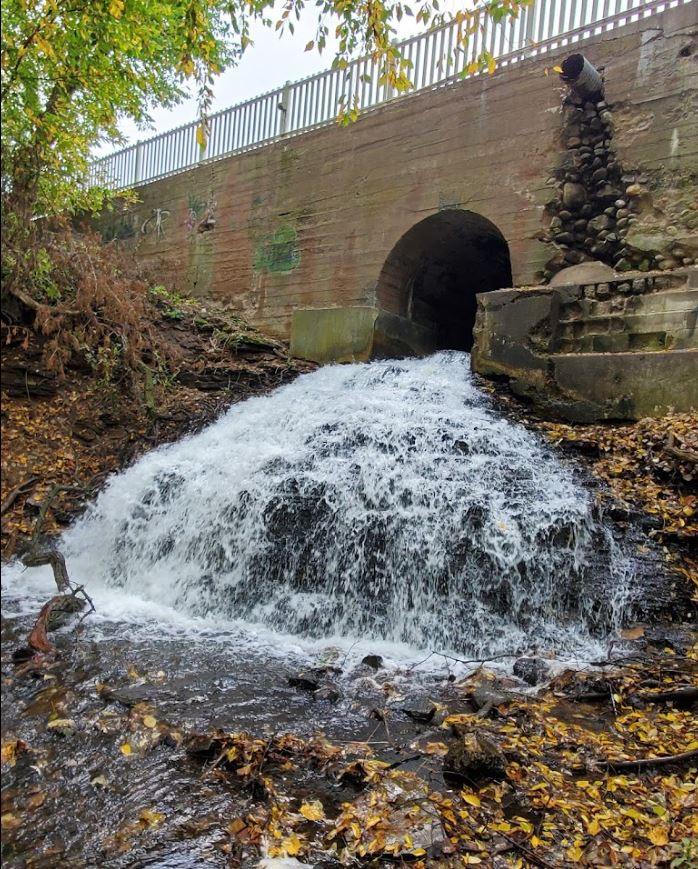
Up on the hill in William O’Brien State Park, there is a rich fen filled with sedges, cattail, and ironweed. It’s a peaceful location to hike or ski and a quiet place to pause and clear one’s mind. Fed by cool, clean water that bubbles out of the ground, this wetland eventually becomes a stream, which flows 1.5 miles downhill to the village of Marine on St. Croix, straight through the basement of the Brookside Bar & Grill, over a waterfall on the east side of Judd Street, and into the St. Croix River.

The Mill Stream powered Minnesota’s first commercial saw mill and gave rise to the community of Marine on St. Croix in 1839 –two full decades before Minnesota became a state. Now, nearly 200 years later, the people of Marine are beginning to dream about a new future for this tiny but beloved stream.


“When we start talking about stream restoration, people have all sorts of expectations, so it’s really important that we first determine what it is that we’re trying to restore,” explains Barbara Heitkamp, lead educator for the Lower St. Croix Watershed Partnership, during an open house held in Marine on St. Croix. “Is our goal to remove small dams and perched culverts to reconnect the natural stream channel? Are we trying to support specific flora and fauna that are native to this region? Is it even possible to return Mill Stream to pre-settlement conditions?”


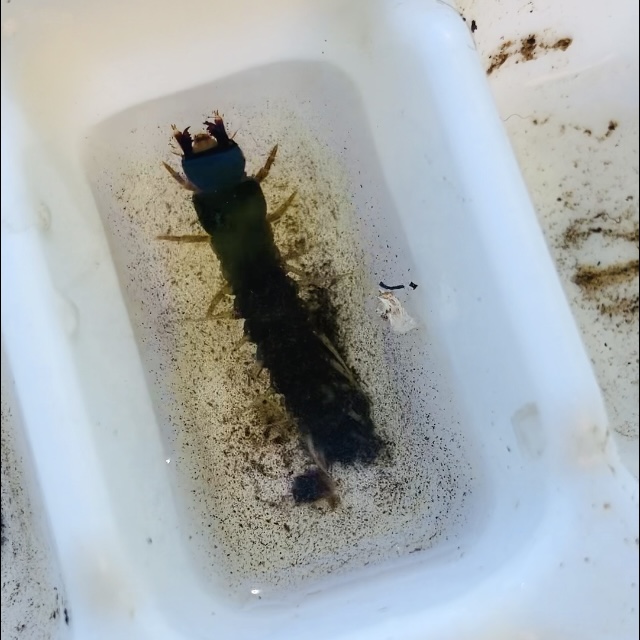

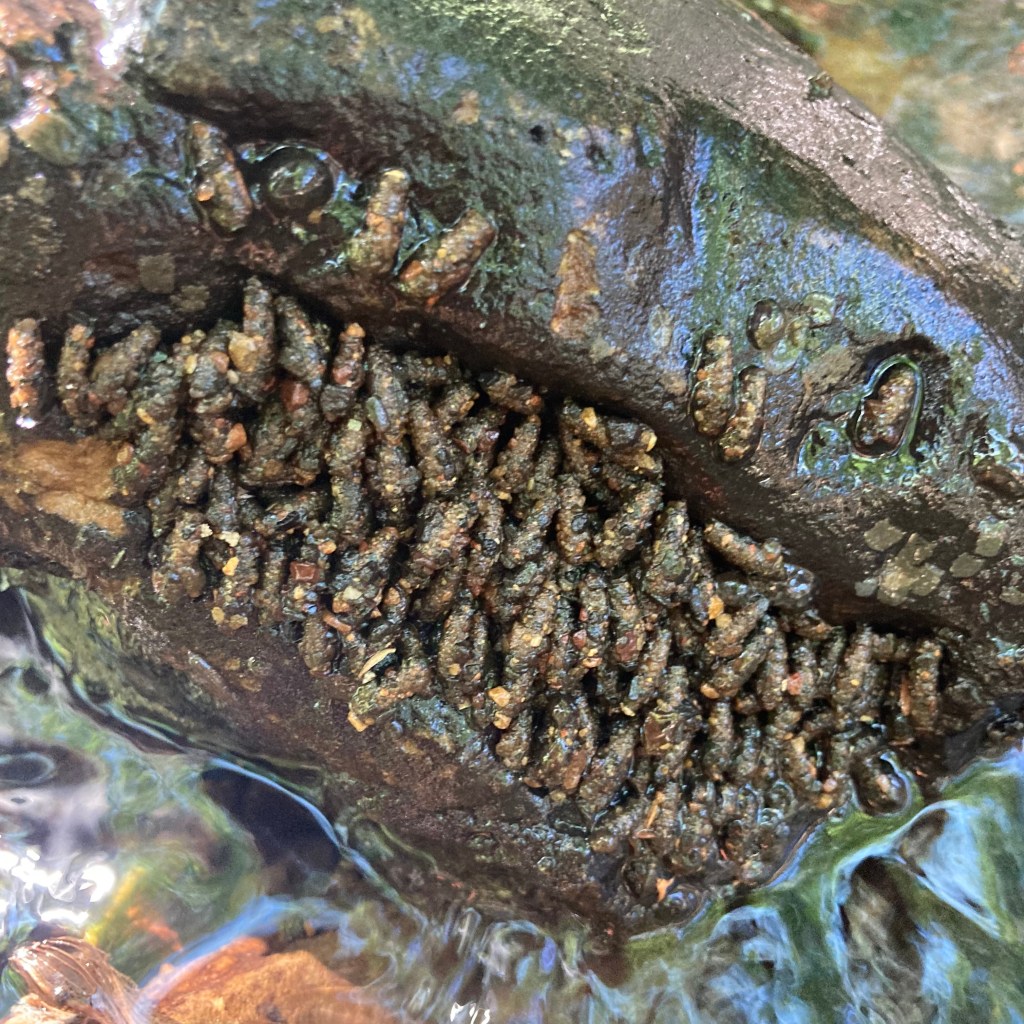
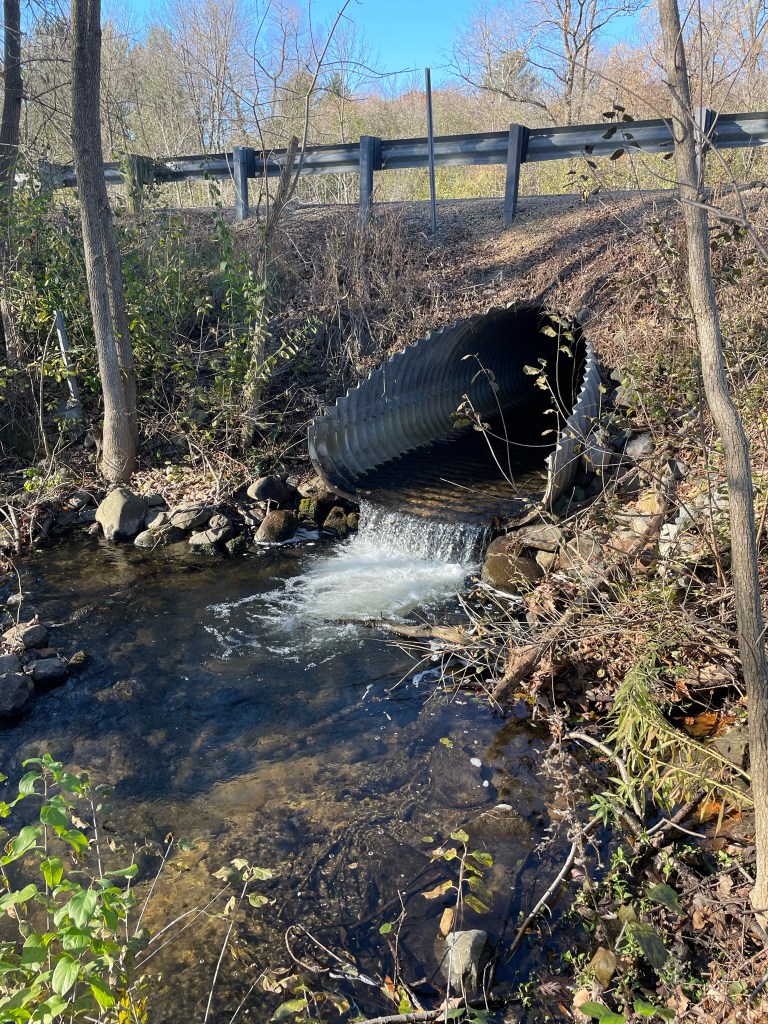
Recent analyses conducted by the Carnelian-Marine-St. Croix Watershed District (CMSCWD) found that stream conditions and biotic health in Mill Stream are quite good down by the river and in the segment between Broadway Street and Hwy. 95, but could use improvement in the section that flows through Burris Park between Hwy 95 and Judd Street. Some of the ecological challenges that staff noted in the survey include historic infrastructure that is now failing, low-head dams, perched culverts, and stream walls built with creosote timbers. There is also the question of the pond in Burris Park.
“When we look at historic records, maps, and aerial photography, there was no pond prior to construction of the saw mill in 1839, then a large pond in the late 1800s, no pond in the early 1900s, a new pond dug sometime before 1957, an effort to dig the pond deeper prior to 1993, and now a shallow pond that is mostly filled with sediment,” says Mike Isensee, CMSCWD Administrator, with a laugh. When developing a restoration plan for Mill Stream, Isensee says it will be important to think about what is possible within the space constraints of a built environment, and to gather input on the ways that people want to use the stream and pond in the future.

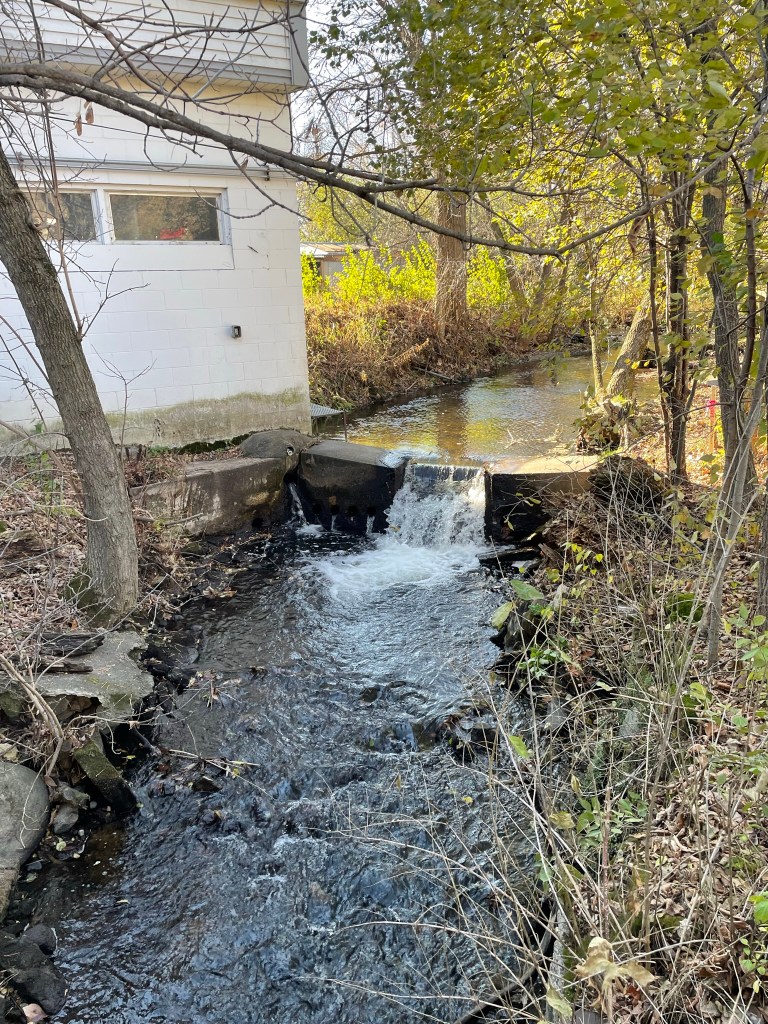

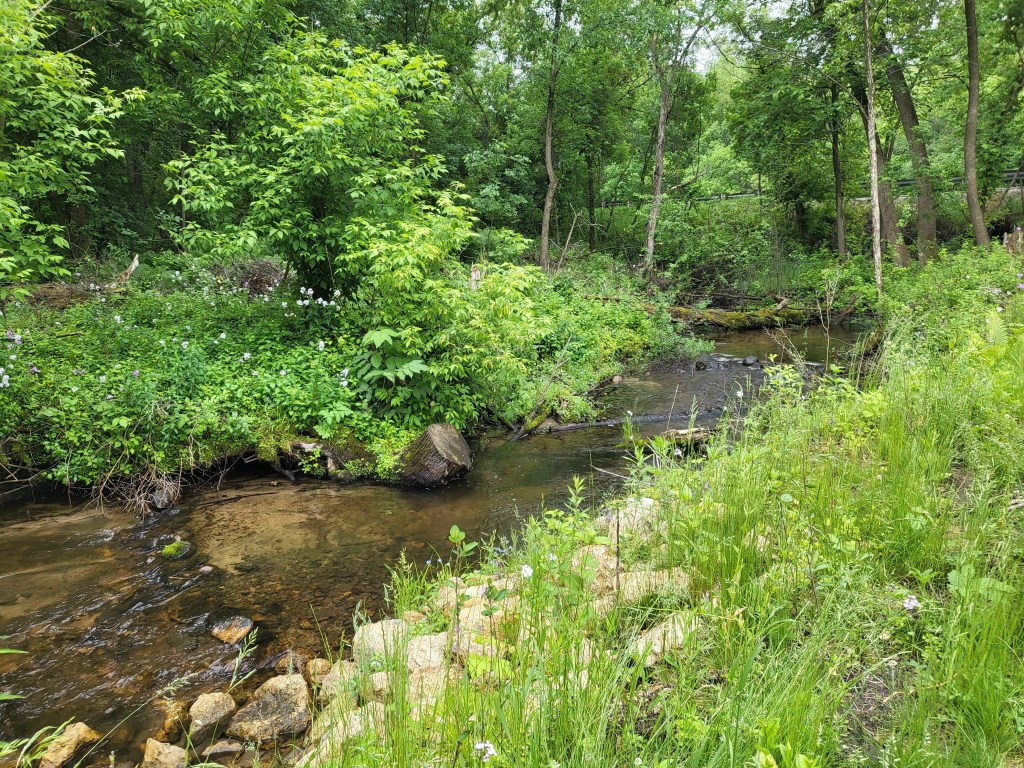
Marine councilmember Wendy Ward emphasizes the importance of gathering input prior to developing a stream restoration plan, “The Mill Stream is a place that is really important to us all, whether you recreate there, you want to see more salamanders, or you want to be able to walk there from the chocolate shop.”
The current visioning process for a restored Mill Stream comes on the heels of the Village Center Revitalization project, which the City of Marine completed in partnership with CMSCWD in 2021. As part of that project, the city improved aging streets, and the partners worked together to restore two natural wetlands and construct stormwater basins and a pre-treatment system to filter polluted runoff from Hwy 95 before it flows into Mill Stream. During the past ten years, volunteers have also worked to manage invasive species like buckthorn and garlic mustard in the Marine Mill Park and along the trail leading down to the St. Croix River on the east side of Judd Street.

If you’d like to share your input and ideas for restoring Mill Stream in Burris Park, you can add notes to a Jam Board at tinyurl.com/MillStream2023 or email Mike Isensee at mike.isensee@cmscwd.org.

 East Metro Water
Another well-written article by Angie Hong… thank you!
BobWhite – Marine on St. Croix, MN
LikeLiked by 1 person
Thanks Bob!
LikeLike